Summer Home Security UK: How to Keep Your Home Safe While You're on Holiday
Introduction
Summer is the season we finally switch off — the cottage in Cornwall, the villa abroad, a long weekend with the family. But while you’re unwinding, your home is doing something it rarely does the rest of the year: sitting empty, in plain sight, for days at a time.
Here’s the part most people get wrong. Summer isn’t when burglary peaks in the UK. Break-ins actually rise in the darker autumn and winter months, when long nights and unoccupied homes give opportunists more cover. What changes in summer is the type of risk — and it’s almost entirely about opportunity.
That’s good news, because opportunity is the easiest thing to design out. Effective summer home security in the UK isn’t about expensive systems or worrying from your sun lounger. It comes down to a few simple habits and one core idea: making an empty home look lived-in.

Why Summer Changes Things for UK Homes
Our routines shift a lot in summer, often without us noticing — and it’s behaviour, not the season itself, that opens the gaps.
A few things tend to happen all at once:
- Homes sit empty for longer. A week away is a far longer absence than a normal working day.
- Windows and doors stay open. It’s easy to leave a downstairs window on the latch when you head out in a rush.
- Gardens fill up. Bikes, furniture, tools and BBQs are left out and on show.
- Routines relax. Predictable signs of life — lights in the evening, comings and goings — disappear.
None of this makes summer dangerous. It simply means a home that looks unoccupied is easier to spot. The fix is to make yours look occupied.
The seasonal picture, in context
It’s worth keeping the risk in proportion. UK burglary has fallen dramatically over the past two decades, and incidents are weighted towards winter rather than summer — burglary rates typically peak around November as the nights draw in ([ONS crime statistics data]). Summer’s challenge isn’t volume; it’s the simple fact that holiday season leaves more homes empty and more valuables on display. Knowing that lets you focus on the right things instead of worrying about the wrong ones.

Where Empty Homes Become Vulnerable
When you’re away, your home quietly tells a story to anyone passing. Knowing the signals that say “no one’s home” lets you cover them off before you leave.
The signs of an empty house
The most common giveaways:
- No lights, ever. A house that stays dark every single evening stands out on a street where others are lit.
- Piled-up post. Letters wedged in the door or visible through the glass are a clear tell.
- A frozen-in-time look. Bins left out long after collection day, or curtains in the exact same position for a week.
- Visible valuables. Bikes against the shed, tools on the patio, a mower by the back door.
The areas people forget
Front doors get the attention, but summer break-ins often exploit the overlooked:
- Side gates and rear access, screened from the street.
- Sheds and outbuildings, which hold high-value items and weaker locks.
- Ground-floor windows left open “just for air” while you nip out.
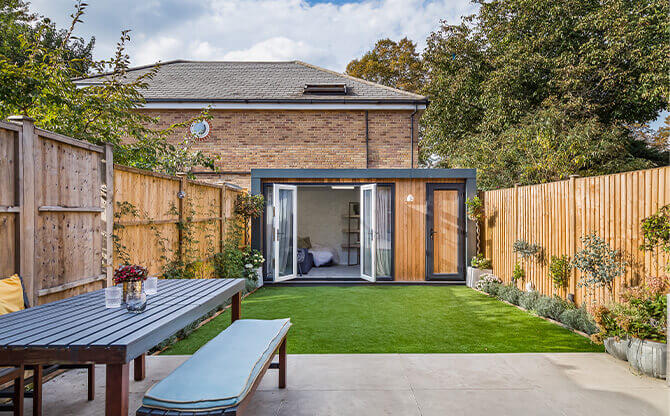
Most of these are easy to picture in a real UK home — and just as easy to address.
Simple Solutions That Do the Work for You
You don’t need a complicated setup to cover the basics. A few reliable, easy-to-use products handle the things you can’t do from a beach a thousand miles away — no apps to fiddle with, no hassle.
Make it look like someone’s home
The single most effective deterrent is the impression that the house is occupied. A [Light Switch Timer] turns your lamps on and off in the evenings on a natural-looking schedule, so your home keeps its usual rhythm even when you’re away. It’s a small thing that makes a big difference to how empty a house appears after dark.
Cover the entry points indoors
For peace of mind inside, a [Motion Alarm] reacts to movement in key spots like hallways and landings. It’s straightforward to set up and simply does its job — a quiet extra layer that asks nothing of you while you’re gone.
Don’t forget the garden
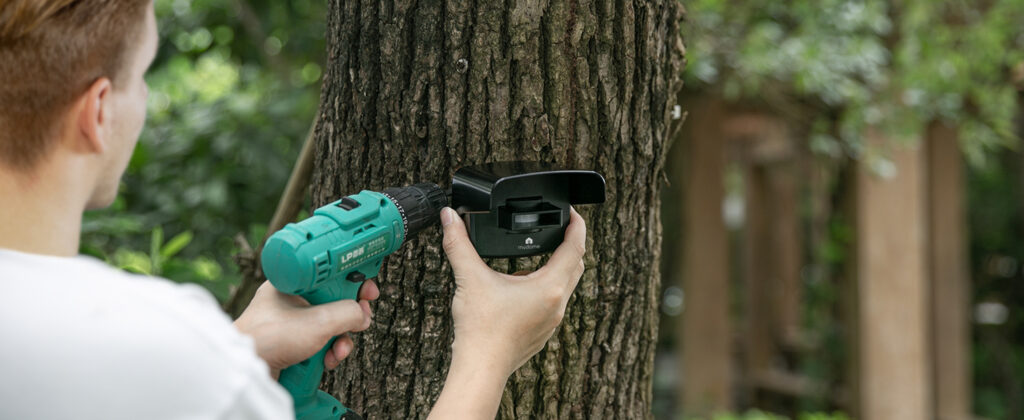
Summer gardens are full of things worth taking, and they’re often the easiest point of access. A [Garden Sensor] keeps watch over outdoor spaces — sheds, side gates, patios — where bikes and tools tend to live. It protects the areas that are easy to overlook but easy to reach.
You can mix and match what suits your home, or browse the full range in the mydome Products Collection.
Quick Wins Before You Leave
A few minutes of prep goes a long way. Run through these before you lock up:
- Set your timers so lights come on in the evenings.
- Pause your post with Royal Mail’s Keepsafe service, or ask a neighbour to clear the doormat.
- Lock up the garden. Bring bikes, tools and furniture inside, or into a secured shed.
- Close and lock every window — including small upstairs ones.
- Check side gates and back doors, not just the front.
- Ask a trusted neighbour to move the bins and glance over the place.
- Don’t broadcast it. Save the holiday photos for when you’re home, not live on social media.
A two-minute habit that sticks
The trick is making this a routine rather than a one-off scramble. Keep a short “going away” checklist by the front door or in your phone, and run it every time you leave for more than a day. Consistency is what keeps a home looking lived-in — and it costs nothing.
The Bottom Line
Summer home security in the UK isn’t about worrying while you’re away — it’s about setting things up so you don’t have to.
The thread running through all of it is consistency. A home that keeps its normal rhythm — lights in the evening, tidy spaces, a lived-in feel — simply doesn’t stand out. Good home security isn’t about complexity; it’s about consistency.
Put a few simple habits and a couple of reliable tools in place before you go, and you can enjoy your summer knowing your home is quietly looking after itself. Take a look at the [mydome range] to find the easy wins that fit your home.

Frequently Asked Questions
Is my home more likely to be burgled in summer? Not necessarily. Burglary in the UK tends to be higher in the darker autumn and winter months, peaking around November. What changes in summer is opportunity — empty homes, open windows and visible valuables. Sensible habits close those gaps.
How do I make my home look occupied while on holiday? The simplest approach is a light switch timer that turns lamps on and off in the evenings, plus pausing your post, keeping the garden tidy, and asking a neighbour to keep an eye out. The aim is to maintain your home’s normal rhythm.
Do I need a complicated alarm system to feel secure? No. Simple, reliable tools like a motion alarm or garden sensor handle the essentials without apps or complicated installation. They’re designed to do their job quietly while you’re away.
What should I do about my garden before going away? Bring bikes, tools and garden furniture indoors or into a locked shed, lock side gates, and consider a garden sensor for the outdoor areas that are easiest to overlook.
Should I post about my holiday on social media? It’s best to wait until you’re back. Live updates effectively announce that your home is empty, so save the photos for your return.
How long before a holiday should I sort out home security? A few minutes the day before covers the basics. If you’re adding timers or sensors, set them up a day or two ahead so you can check everything works before you leave.